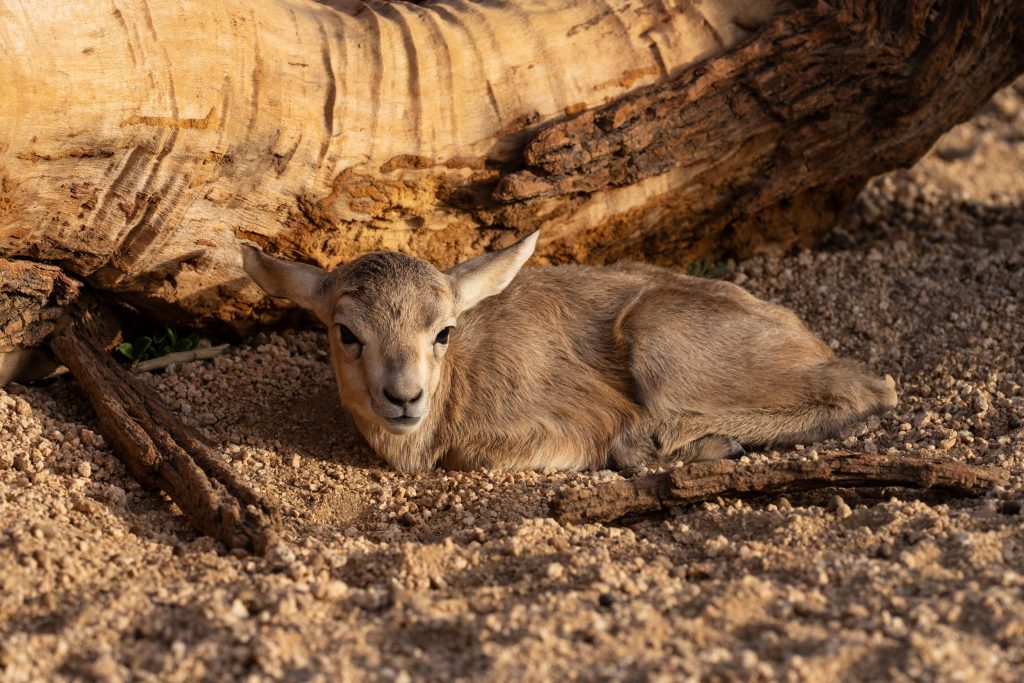
Riyadh, 27 July 2025: Prince Mohammed bin Salman Royal Reserve is proud to announce the birth of its first two Nubian ibex kids in its rewilding program, a milestone in its science led-restoration program restoring 23 native species. Listed as Vulnerable by the International Union for the Conservation of Nature (IUCN), there are fewer than 5000 mature individuals in the wild globally.
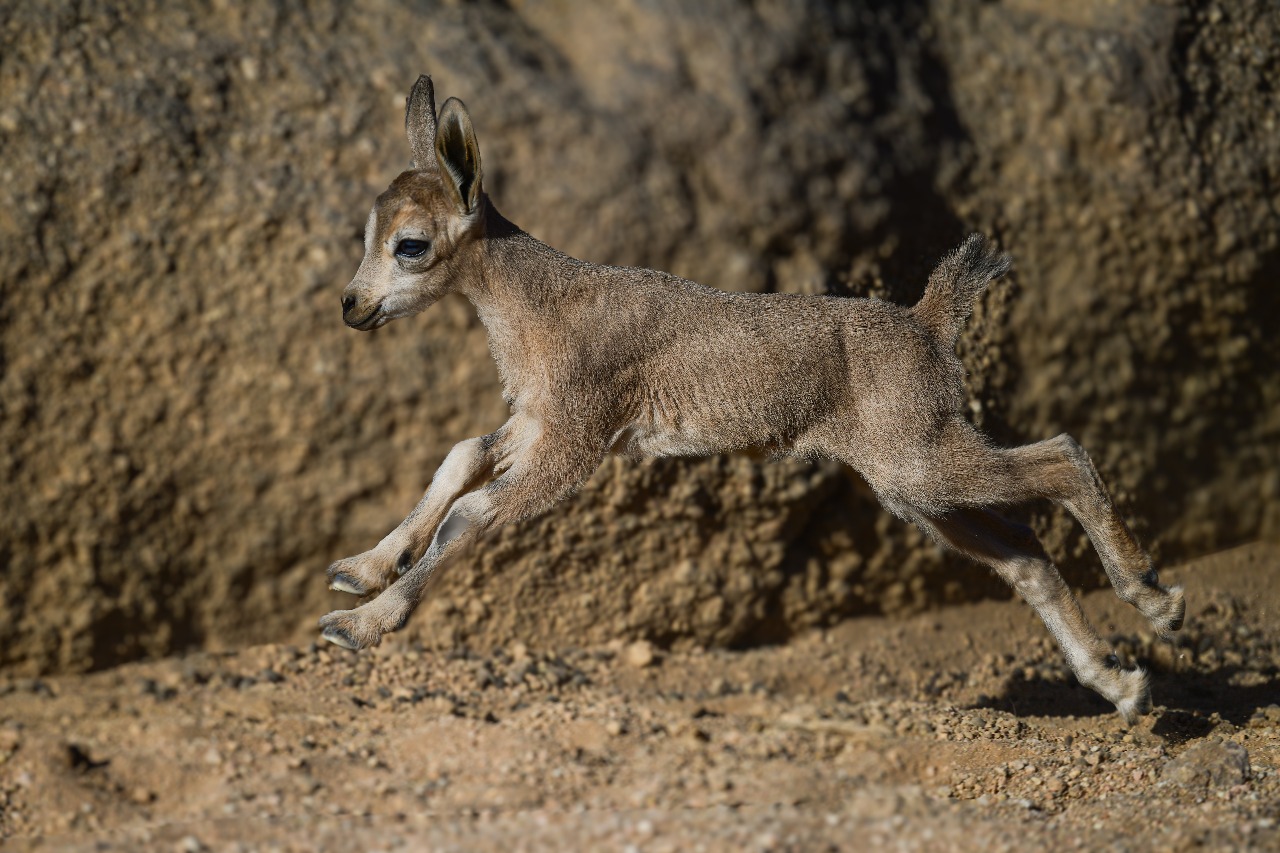
’The birth of these very special ibex kids is an exciting attainment in the Reserve’s rewilding program and has put a spring in everyone’s step this summer,” said Andrew Zaloumis, CEO of Prince Mohammed bin Salman Royal Reserve. ‘’It marks the fourth iconic species to successfully breed as part of our rewilding program, following births of Arabian oryx, Sand gazelle and Mountain gazelle. Each of these milestones brings us closer to our vision to ‘Rewild Arabia.’”
The Nubian ibex (Capra nubiana) is the smallest of the five ibex species globally. Agile mountain-dwellers well adapted to thrive in arid environments with high temperatures, their concave hooves allow them to grip the sides of steep rocky cliffs. The Reserve, with its rugged mountainous terrain, provides the ideal habitat for this elusive species and supports the largest original wild population in Saudi Arabia. The presence of Ibex in the Reserve dates back thousands of years, evidenced by the ancient petroglyphs found across the landscape.
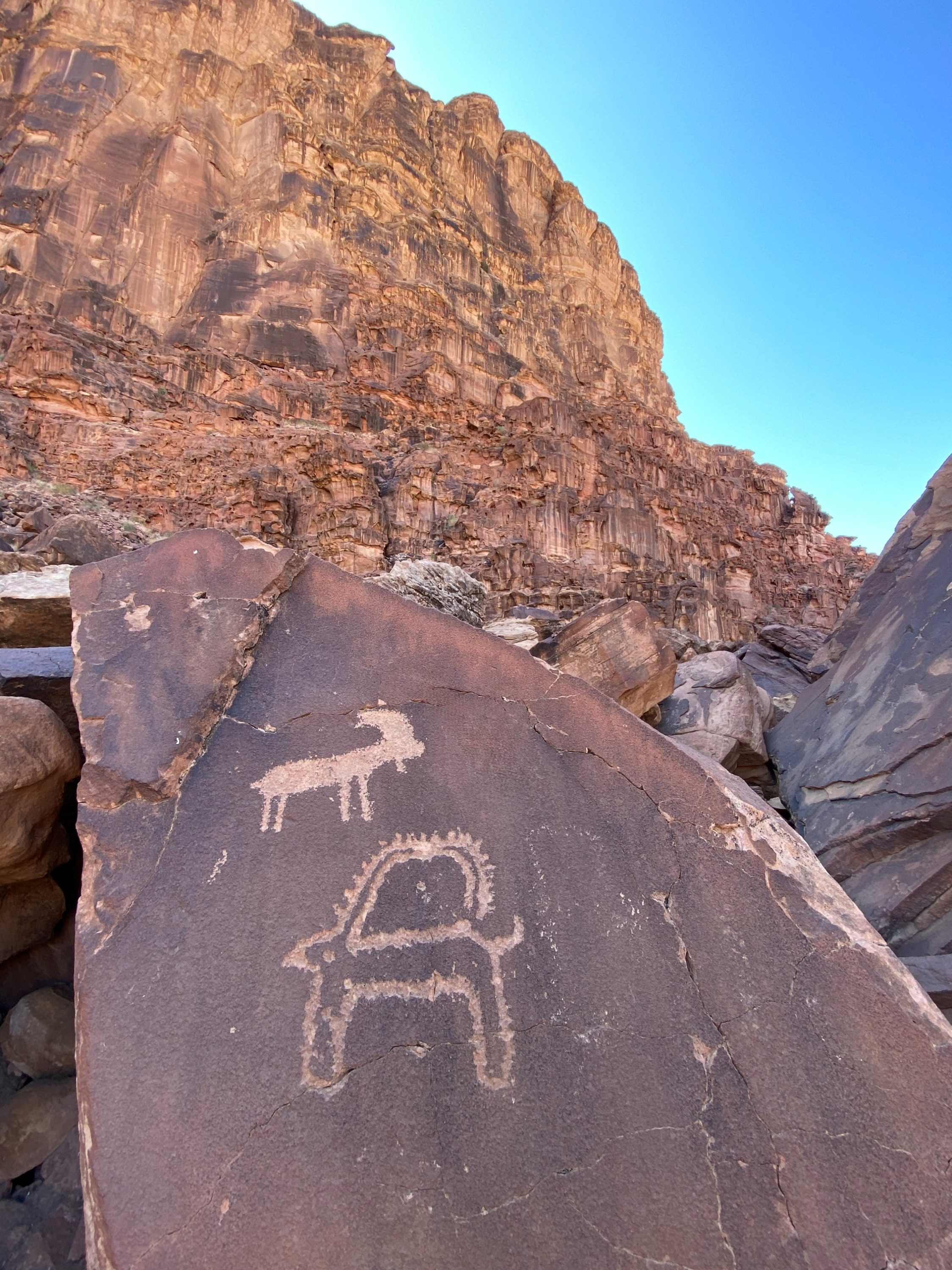
Today the Reserve’s Jabal Qaraqir, on the UNESCO World Heritage tentative country list, remains ideal protected habitat for the species. Its dramatic cliffs and iconic Wadi Al-Disah valley, with year-round water, offer critical protected refuge for ibex and other native fauna and flora.

The Reserve’s board approved Integrated Development Plan ensures a science-led approach to habitat restoration and rewilding. 11 of the 23 native species selected for reintroduction have already been reintroduced. Thanks to dedicated conservation efforts and partnership like that with National Centre for Wildlife, ibex populations are now growing, not just at Prince Mohammed bin Salman Royal Reserve but in protected areas and Royal Reserves across Saudi Arabia.
About Prince Mohammed bin Salman Royal Reserve
One of eight Royal Reserves, the 24,500 km² Prince Mohammed bin Salman Royal Reserve stretches from the lava plains of the Harrats to the deep Red Sea in the west, connecting NEOM, Red Sea Global, and AlUla. It is home to PIF’s Wadi Al Disah project and Red Sea Global’s Destination AMAALA.
The Reserve encompasses 15 distinct ecosystems. At just 1% of the Kingdom’s terrestrial area and 1.8% of its marine area, it boasts over 50% of the Kingdom’s species, making it one of the most biodiverse protected areas in the Middle East.
The Reserve is committed to restoring and conserving the natural and cultural environment, this includes the reintroduction of 23 historically occurring native species, including the Arabian leopard, cheetah, Arabian oryx and Lappet-faced vulture, as part of a wide-ranging rewilding program.
Prince Mohammed bin Salman Royal Reserve is one of eight royal reserves established by royal decree and overseen by the Royal Reserves Council chaired by His Royal Highness the Crown Prince. The Reserves programme as integrated with Saudi Arabia’s wider sustainability and conservation programs, including the Saudi Green and Middle East Green Initiatives.